
Explore the rich history and intricate gameplay of Mahjong, a game that has transcended cultural boundaries and adapted to various forms around the world.
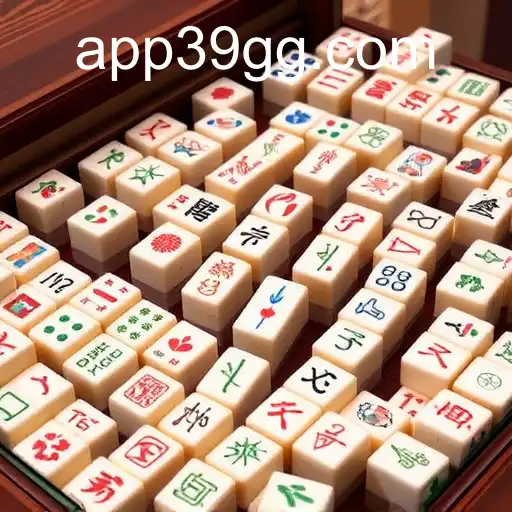
The Cultural Significance and Gameplay of Mahjong
Mahjong, a popular tile-based game, is steeped in rich cultural history and enjoyed by millions across the globe. Originating from China, Mahjong has traversed continents, adopting various forms and nuances along its journey. The game, with its blend of skill, strategy, and luck, offers players an intricate challenge wrapped in the engaging clinks and mingles of the tiles.
The Origins of Mahjong
The game of Mahjong originated in the late Qing dynasty. There are many theories about its invention, with some claiming it was created by Confucius, while others suggest it was developed by noblemen. Despite the debates, the most accepted theory is that it began as a simplified form of card games played in the region. By the early 20th century, Mahjong had spread across Asia and eventually, the world.
The Basic Structure of Mahjong
The traditional Chinese game is played with a set of 144 tiles, although variations may adjust this number. These tiles are categorized into suits: dots, bamboo, and characters. There are also honor and bonus tiles that come into play. Each player starts with 13 tiles, and the goal is to complete a hand by drawing and discarding tiles, creating valid sets.
The Gameplay: Strategy Meets Chance
Mahjong is often compared to rummy due to its similar drawing and discarding mechanics, but it is, in fact, a much more intricate game. Winning requires not only a strategic approach but also an understanding of the possible risks and rewards with each move. Players must be adept at spotting opportunities and potential threats by reading opponents' discards and betting patterns.
A typical Mahjong game begins with setting up the wall, distributing the tiles, and deciding the dealer. Each player takes turns drawing a tile from the wall or claiming a recently discarded tile to complete a set in their hand. The primary objective is to achieve a Mahjong—having a complete hand comprised of four sets and a pair.
Key Strategies for Mastering Mahjong
1984pgStrategies in Mahjong vary significantly based on the version being played. However, there are universal principles players can adhere to:
- Tile Efficiency: This involves the ability to maximize the potential of each tile drawn, considering which tiles to keep and which to discard.
- Read and React: Observing opponents' discards is crucial. It informs players which sets others may be forming and influences their own strategy. 1984pg
- Risk Management: Players should balance taking risks to win quickly against safeguarding their hand from risks imposed by opponents. 55uu
The Global Spread and Variations of Mahjong
After its introduction to the West around the 1920s, Mahjong quickly gained popularity, especially in the United States. While the American version of Mahjong maintains the essence of the traditional game, it introduces some unique rules and uses fewer tiles. In fact, American Mahjong includes special scorecards used to guide gameplay.
Other countries have also added their unique spin to the game. For example, Riichi Mahjong, played in Japan, involves additional layers like points and complex bonus scoring systems, reflecting the game's adaptability and enduring appeal.
Mahjong in the Digital Era
39ggIn recent years, Mahjong has cemented its presence in digital forms. Online platforms host games, allowing enthusiasts to connect and compete across borders easily. The advent of mobile apps has further contributed to the game's popularity, providing access to casual players and offering a new experience for seasoned players aiming to sharpen their skills.
The Cultural Relevance of Mahjong Today
Though having evolved over time, Mahjong remains a cultural symbol and a cherished social activity, particularly in Chinese communities. Beyond being a mere pastime, it is a tool for fostering community, promoting intergenerational bonding, and preserving cultural heritage.
Efforts to keep the tradition alive have been seen through various Mahjong tournaments held worldwide, celebrating the game’s rich history and encouraging new generations to partake in this timeless pursuit. Mahjong is more than just a game; it embodies a bonding experience that transcends age and cultural barriers, bringing together players in both competitive and casual settings.
In conclusion, Mahjong's journey from ancient China to modern devices showcases its adaptability and enduring charm. Whether played face-to-face around a table or over an internet connection, the game of Mahjong captivates and evolves, a testament to the endless possibilities of this ancient game.
39gg